24-hour RFQ response | Private-label appliance sourcing desk EN | OEM / ODM | Global Shipping
Private Label / OEM

Build a coordinated Delonghi appliance range without losing the buyer's voice.

Private-label appliance launches need more than a logo on a carton. They need product choices, packaging language, support notes and certification expectations to move together. Delonghi gives brand owners a guided route from idea to first repeatable order. The process is designed for teams that have a strong brand direction but still need practical help turning that direction into a SKU, carton, instruction book and launch handover.

Start Private Label Project
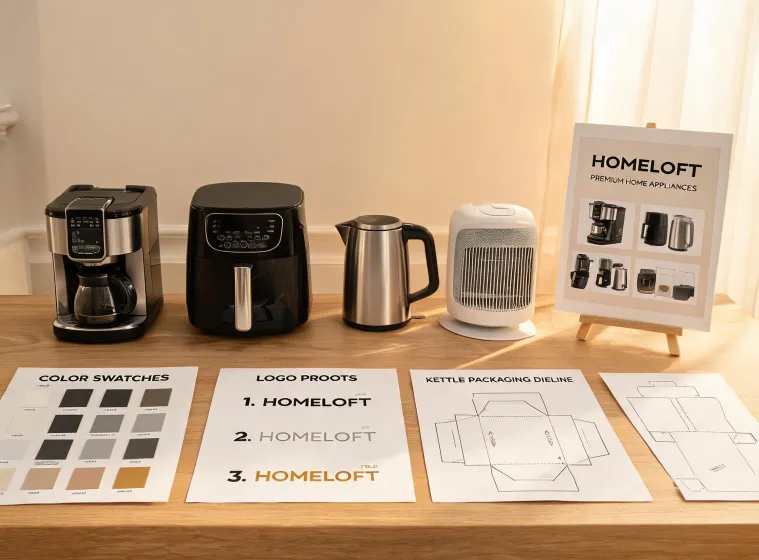
Private-label appliance packaging studio
Studio workflow

What Delonghi keeps visible during a private-label project.

Brand Fit

Choose the right appliance lane

We compare your target buyer, retail price and channel requirements against available small kitchen, climate, water and air quality platforms. This prevents a first launch from chasing every possible feature when the channel only needs a focused hero SKU.

Look & Feel

Align color, logo and carton voice

Product finish, control-panel language, packaging copy and instruction-book tone are reviewed together so the range does not feel assembled from unrelated factories. Delonghi also notes which visual changes are tooling-free and which decisions may affect cost or lead time.

Proof

Sample with decision notes

Each sample review separates functional change requests from visual, packaging and documentation decisions, making approval meetings easier for distributed teams. Your internal buyer, designer and operations manager can see which comments must be solved before pilot order release.

Launch

Prepare repeat-order handover

Finalized carton marks, inspection criteria, spare-part notes and channel constraints are documented for the next purchase order, not trapped in chat history. That handover matters when the first success becomes a seasonal replenishment or a multi-SKU range.
Selection considerations

Tankless vs. storage water heaters: a trade-off worth briefing your channel on.

On-Demand

Tankless (instant) heaters

No standby heat loss, a 10-20 year lifespan and a compact wall-mount footprint, with endless hot water for larger households. Efficiency codes increasingly favor them. The trade-off is a higher install cost, demand for greater gas or electrical supply capacity, and a longer first-draw delay at the tap.

Tank

Storage tank heaters

Lower install cost with no gas-line or breaker upgrade, instant hot water at the tap and simpler field service. Hybrid heat-pump storage can outperform tankless on COP in mild climates. The trade-off is standby losses and a larger footprint, which matters for compact apartments and tight utility closets.

Your brand can start with one SKU or a category set.

Tell Delonghi whether you are testing a hero coffee maker, building a seasonal climate range or coordinating multiple countertop products. We will shape the project around the level of commitment your channel can support. For newer brands, that may mean a single appliance with strong packaging discipline. For established distributors, it may mean several related SKUs with consistent manuals, carton marks and after-sales notes.

  • Tooling-free customization where possible
  • Brand-ready packaging dielines
  • FBA, retail and distributor carton planning